← Back to home

SONGYING CLAY ARCHIVE

A Fine Teapot
Begins with Fine Clay

Yixing Zisha is not one uniform material. Its mineral layer, preparation and firing all shape the color, texture and brewing character of a finished teapot. This guide explains how SongYing reads and records each clay batch.

Explore the clay archive

FOUR CLAY FAMILIES

Read the clay before choosing the teapot

The four categories follow the way products are currently organised in the SongYing store. Natural variation remains normal within every category.

CLAY ARCHIVE 01

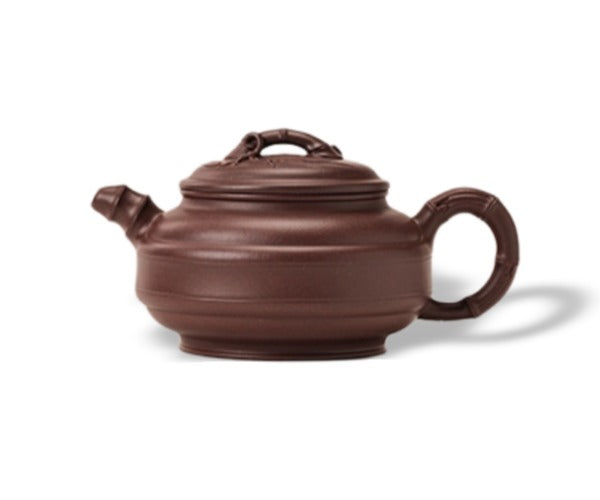
Purple Clay

A foundational Yixing clay family, usually firing to purple-brown, brown-purple or deep brown tones.

Origin and mineral-layer background
Associated mainly with sedimentary deposits around Huanglong Mountain in the Dingshu area of Yixing. Zisha often occurs as layered or lens-shaped deposits between sedimentary rocks and other clay seams; individual batches can still differ by mine and seam.
Color from ore to refined clay and firing
Raw ore commonly appears reddish-purple, purple-brown or brown-red. After crushing, screening, aging and refining it becomes a workable body; iron content, firing temperature and kiln atmosphere shift the fired color from purple-brown to deep brown.
Particles, shrinkage and forming characteristics
Often workable for slab forming, body construction and detailed finishing. Particle size and shrinkage vary by seam, preparation and firing schedule; SongYing therefore records the actual batch rather than claiming one universal percentage.
Heat, porosity and aroma in brewing
Fired Zisha has an observable pore structure. In practice, purple-clay teapots are often chosen for rounded, balanced brews and steady heat, while form, wall thickness and firing degree also affect the result.
Suggested tea pairings
Pu-erh, rock tea, roasted oolong and selected black teas. These are tasting suggestions rather than fixed rules; water, leaf, pot form and personal preference all matter.
Use and care
Rinse a new pot with clean warm water before use. Brew one tea family consistently when practical, empty leaves promptly, rinse without detergent, and air-dry fully with the lid open. Avoid sudden temperature shock and oily contact.

CLAY ARCHIVE 02

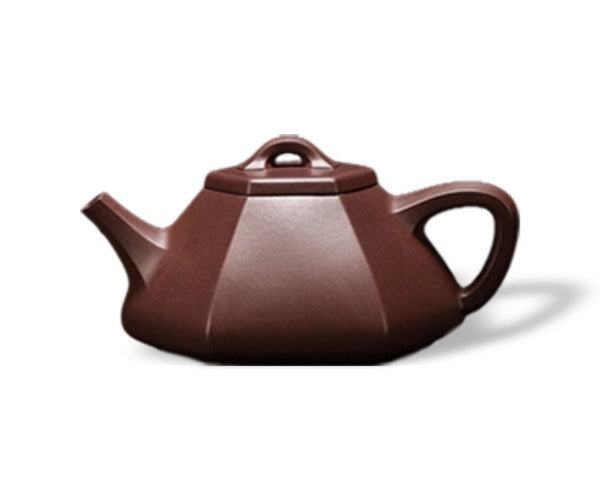
Duanni Clay

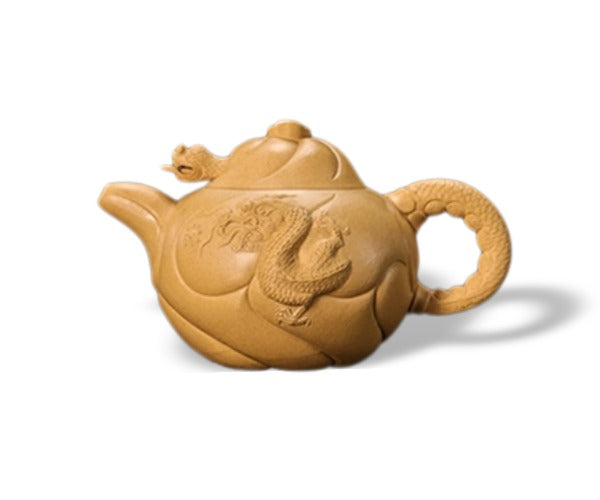
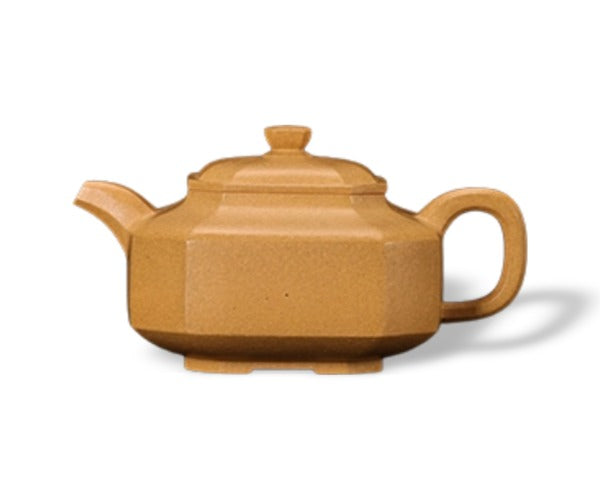
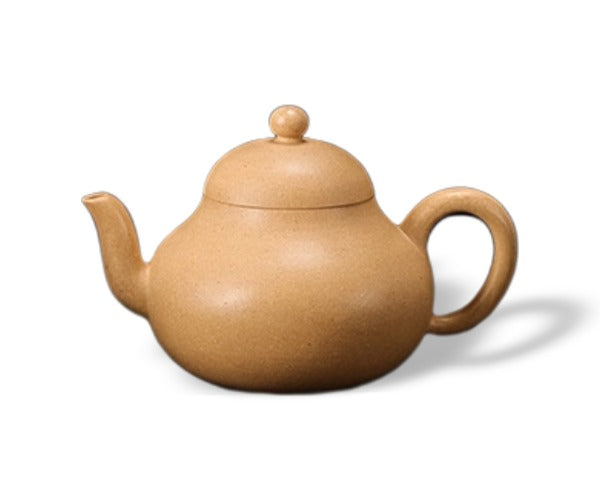
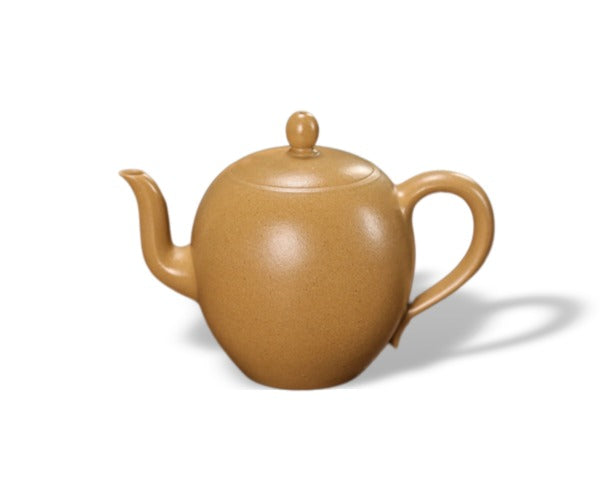
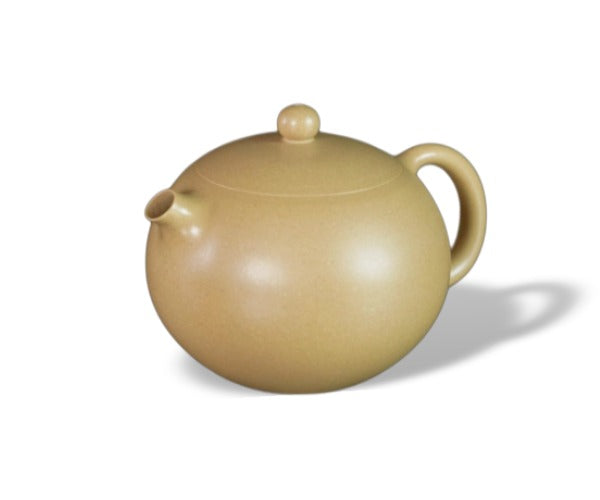
A varied family whose fired tones often range through beige, ochre and muted gray.

Origin and mineral-layer background
“Duanni” is a common modern trade category, with historical names such as “Tuanni” also appearing. Its relationship to Benshan green clay and purple clay must be explained by the actual ore and batch, not inferred from fired color alone.
Color from ore to refined clay and firing
Raw material may appear yellow, gray-green or brownish. Refining evens the body, while firing can produce beige, ochre, pear-skin or muted gray tones depending on mineral ratios and heatwork.
Particles, shrinkage and forming characteristics
Texture and plasticity can vary substantially by batch. More granular bodies require careful slab work and joining; shrinkage should be judged from the batch test tile and firing record rather than a generic figure.
Heat, porosity and aroma in brewing
Duanni pots are often used when drinkers want to keep a brighter aroma and cleaner profile. Aroma, heat and softening effects still depend on form, firing and brewing method.
Suggested tea pairings
Green tea, white tea, lightly oxidized oolong and selected raw pu-erh. These are tasting suggestions rather than fixed rules; water, leaf, pot form and personal preference all matter.
Use and care
Rinse a new pot with clean warm water before use. Brew one tea family consistently when practical, empty leaves promptly, rinse without detergent, and air-dry fully with the lid open. Avoid sudden temperature shock and oily contact.

CLAY ARCHIVE 03

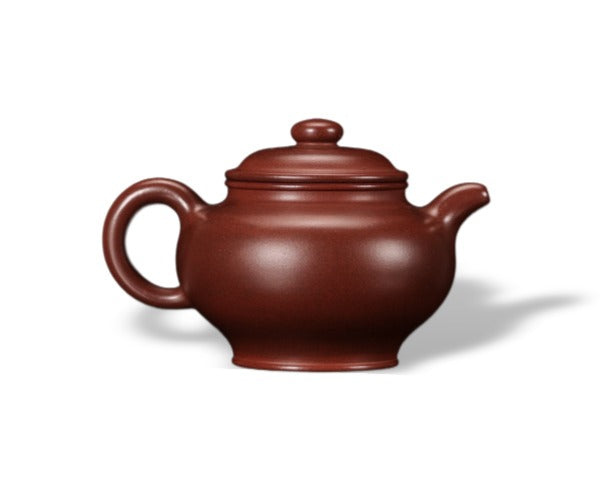
Zhuni Clay

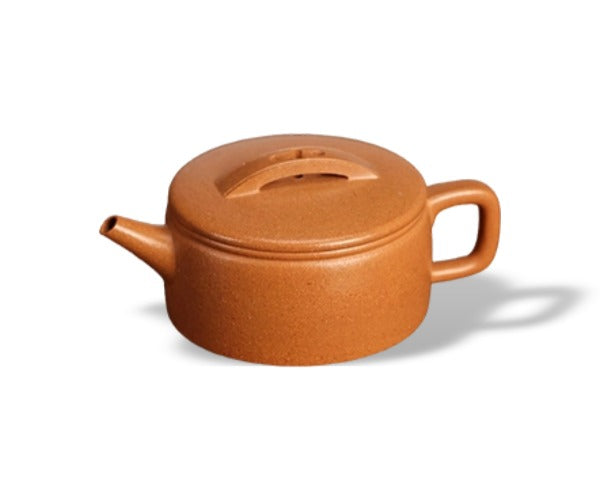
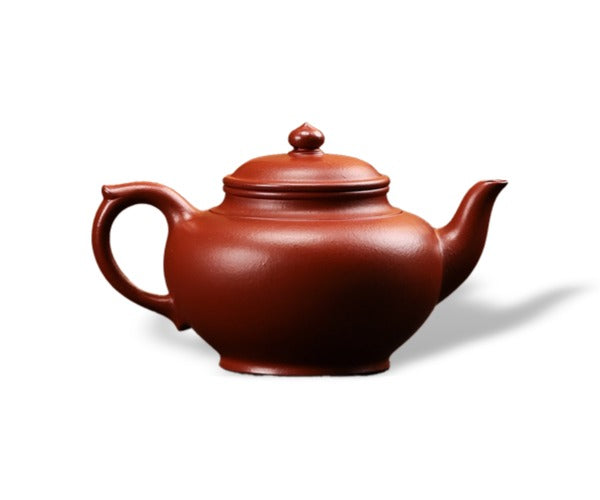
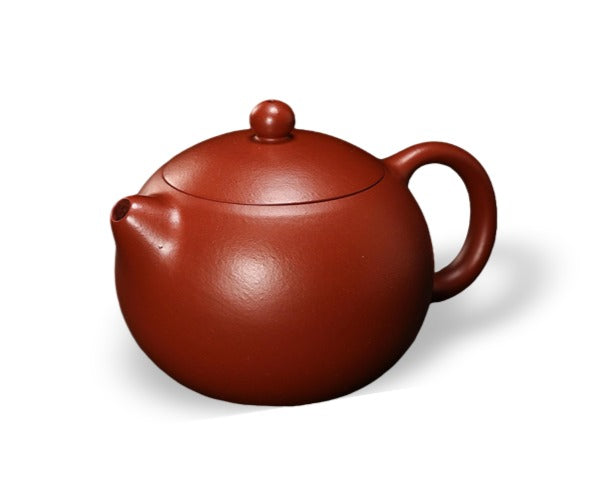
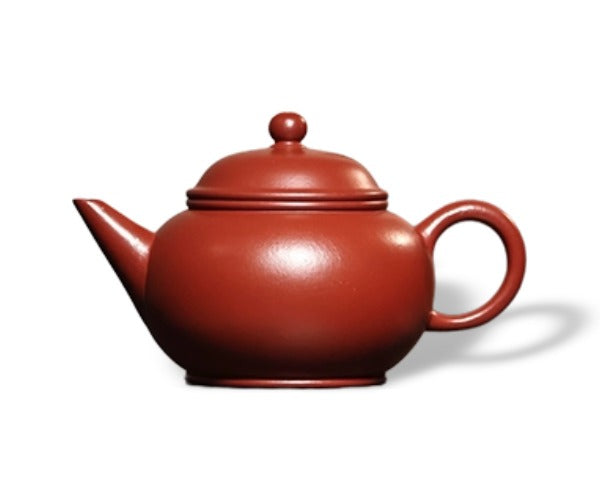
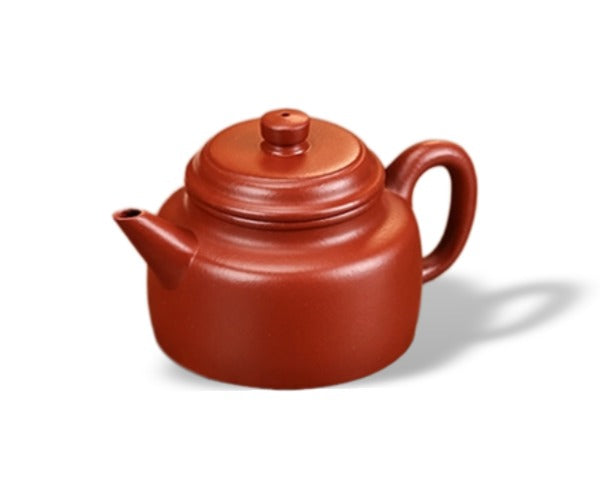
A prized red-clay family, known for warm vermilion fired color and a generally dense body.

Origin and mineral-layer background
Zhuni belongs to the Yixing red-clay family and historical sources are not limited to one location. A product should identify its actual mine, batch or workshop record rather than treating vermilion color alone as proof of origin.
Color from ore to refined clay and firing
Raw ore can appear yellowish, orange-yellow or red-brown. Refining produces a finer body, and iron-related firing reactions often yield vermilion, orange-red or deep red surfaces that mellow with use.
Particles, shrinkage and forming characteristics
Zhuni is generally more sensitive to moisture, joining and firing control, making it demanding to form. Shrinkage can vary markedly by source and preparation, so only batch-specific measurements should be shown.
Heat, porosity and aroma in brewing
Its dense body and frequent use in smaller forms make Zhuni a common choice for concentrated aroma, quick pouring and gongfu brewing. This is a use recommendation, not a fixed or medical benefit.
Suggested tea pairings
Dancong, lightly to moderately roasted oolong, rock tea and selected black teas. These are tasting suggestions rather than fixed rules; water, leaf, pot form and personal preference all matter.
Use and care
Rinse a new pot with clean warm water before use. Brew one tea family consistently when practical, empty leaves promptly, rinse without detergent, and air-dry fully with the lid open. Avoid sudden temperature shock and oily contact.

CLAY ARCHIVE 04

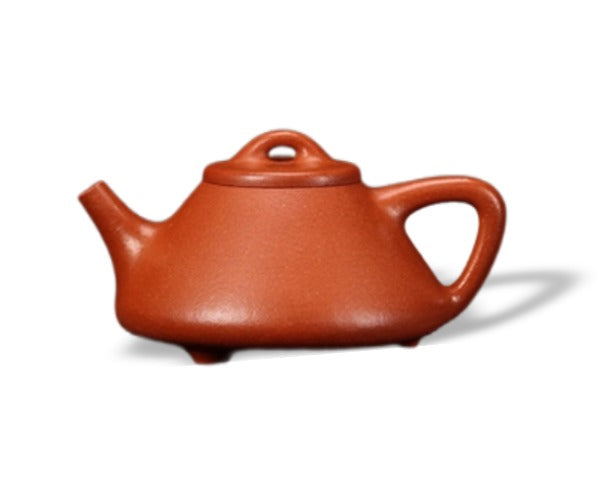
Green Clay

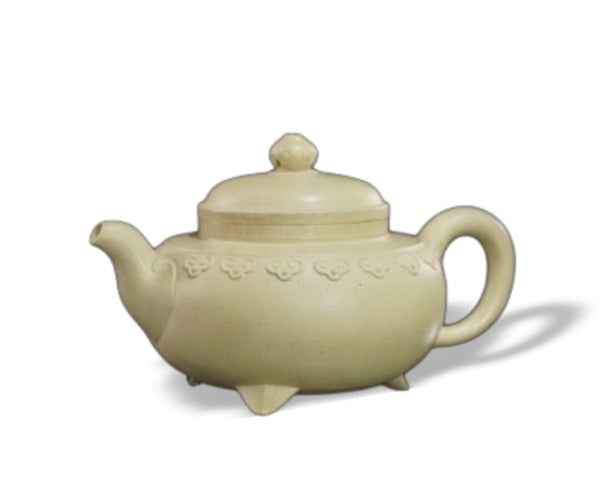
Benshan green clay may look pale green or gray-green as ore, yet usually fires to refined beige or pear-skin tones.

Origin and mineral-layer background
Benshan green clay occurs in Huanglong Mountain deposits associated with purple clay, sometimes in thin interlayers historically described as “clay within clay.” Store classification must still be tied to each product’s actual batch.
Color from ore to refined clay and firing
Raw ore is often pale green, gray-green or whitish. Refining creates a more even light body; firing does not normally produce vivid green, but beige, pear-skin, gray-yellow or muted gray-green tones.
Particles, shrinkage and forming characteristics
Natural batches are limited and must be tested individually for workability and firing behavior. Moisture, slab thickness and firing curve are adjusted from test tiles rather than one fixed shrinkage claim.
Heat, porosity and aroma in brewing
Green-clay pots are appreciated for restrained color and fine tactile character. They are often paired with teas where fresh, delicate aroma is valued, while form and personal tasting remain decisive.
Suggested tea pairings
Green tea, white tea, lightly oxidized oolong and floral teas. These are tasting suggestions rather than fixed rules; water, leaf, pot form and personal preference all matter.
Use and care
Rinse a new pot with clean warm water before use. Brew one tea family consistently when practical, empty leaves promptly, rinse without detergent, and air-dry fully with the lid open. Avoid sudden temperature shock and oily contact.

PRODUCT PROVENANCE

Every teapot has
a traceable beginning

Clay claims should return to a specific batch and workshop record. SongYing keeps the existing JZ- provenance code as the link between the finished teapot and its making record.

01Provenance codeA unique JZ- code linked to the product
02Clay batchSource, intake and batch notes where recorded
03Workshop recordMaker and key forming information
04Firing recordKiln and firing information where available

AFTER THE CLAY

The clay meets
the artisan's hands

Good clay is only a beginning. Patient forming, joining, refining and firing complete the character of a teapot.

Continue to the artisan story